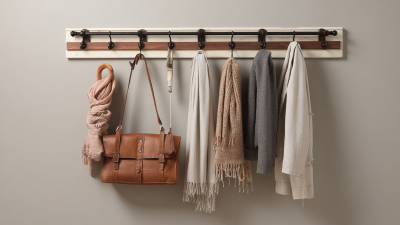
An entryway is a small space with a demanding job. It receives coats, bags, umbrellas, keys, and daily clutter within seconds. The right Entry Way Wall Coat Rack can turn that crowded transition zone into a calmer, safer landing point. This 2026 buying guide examines capacity, materials, mounting strength, spacing, and visual proportion rather than chasing appearance alone.
Recent housing and interiors research supports this practical focus. The 2024 U.S. Houzz & Home Study shows that homeowners continue investing in functional home improvements, even when projects remain selective. IKEA’s Life at Home Report also highlights the emotional value of order, comfort, and control in everyday rooms. These findings do not prove that one rack solves household stress. They do suggest that useful storage deserves serious design attention. Small details matter: a hook placed too high can frustrate children, while shallow hardware may scrape a painted wall.
Professional installation guidance also deserves attention. The U.S. Consumer Product Safety Commission repeatedly warns about furniture and household tip-over hazards, reminding buyers to respect secure anchoring and weight limits. A wall rack is smaller, but poor fixing can still damage drywall or cause injury. Check the wall structure, fastener type, and manufacturer instructions before loading it.
Real homes are imperfect. Mine would be, too. Shoes still gather nearby. A beautiful rack may hold fewer coats than expected. This guide therefore compares attractive options with honest limitations, helping readers choose an Entry Way Wall Coat Rack that fits their hallway, habits, and long-term needs.
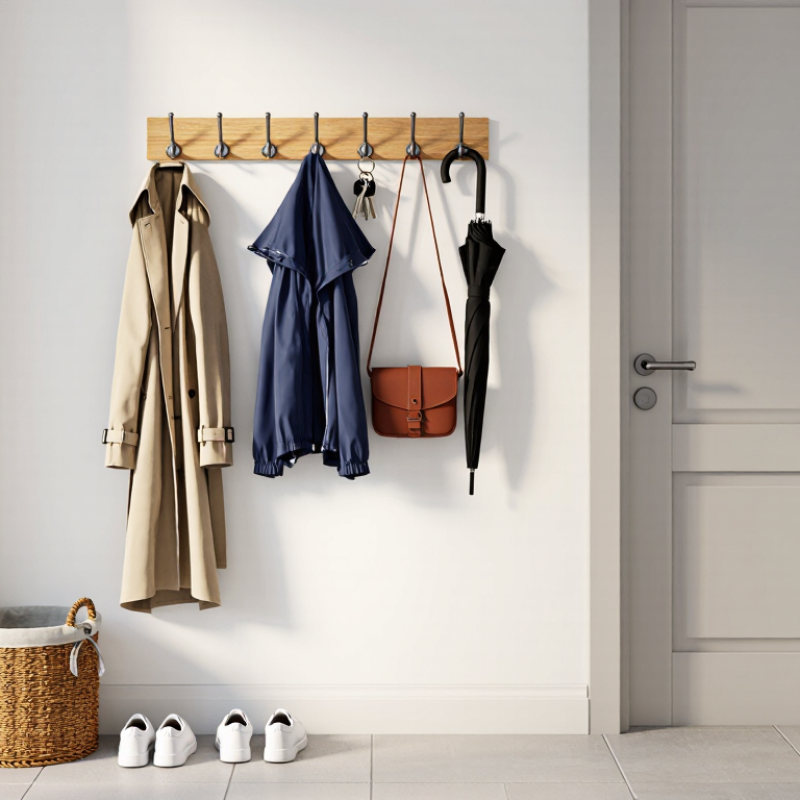
2026 Top Entry Way Wall Coat Rack Buying Guide
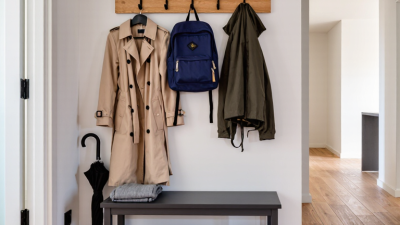
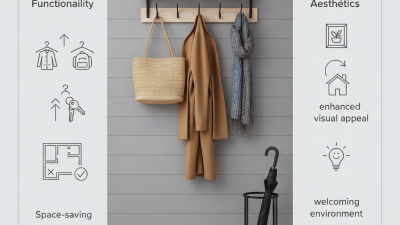
Entryway wall coat racks vary by storage need, wall space, and daily traffic. Choosing by appearance alone can create clutter quickly. Simple hook rails work well for two or three coats, scarves, and lightweight bags. Individual hooks suit narrow walls because you can space them around door swings. However, they need secure mounting when children’s backpacks become heavy.
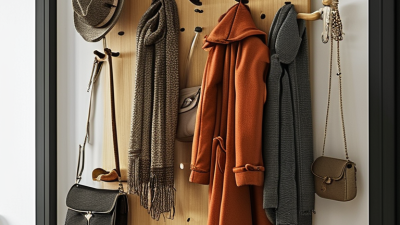
Peg rails offer flexible storage for changing routines. Moveable pegs can separate raincoats from keys, hats, or dog leashes. Shelf-and-hook racks add a useful upper level for baskets and folded gloves. They are practical in family entryways, but high shelves may become a dust trap. Cubbies with hooks keep each person’s belongings contained. This type needs more wall depth, so measure carefully before buying.
Tips: Measure the wall, door clearance, and baseboard height first. Check the rack’s load rating and use suitable anchors or studs. Leave enough space between hooks for thick winter coats. I once underestimated backpack weight; the rack stayed attractive but loosened within weeks. A stronger mounting plan would have prevented that small mistake. Consider your real routine, not an ideal one.
| Coat Rack Type | Typical Size (W × H × D) | Typical Storage Capacity | Best for | Common Materials | Installation Considerations | Main Advantages | Potential Limitations |
|---|---|---|---|---|---|---|---|
| Single-Row Hook Rack | 40–100 × 8–18 × 6–12 cm | 3–8 coats, hats, or bags | Small apartments, narrow hallways, and light daily use | Solid wood, engineered wood, aluminum, steel, or plastic hooks | Use wall anchors when screws do not enter a stud; leave space between hooks for bulky garments | Compact, affordable, and easy to position | Limited storage for shoes, gloves, or multiple winter coats |
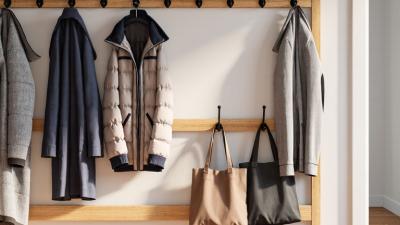
| Multi-Row Hook Rack | 60–120 × 30–70 × 10–18 cm | 6–14 coats, bags, or accessories | Families and households with several users | Wood panels with metal hooks, powder-coated steel, or composite boards | Locate studs or use appropriately rated anchors; check the combined load of all hooks | Uses vertical wall space efficiently and separates items by height | Projects farther from the wall and may look crowded when fully loaded |
| Shelf with Hooks | 60–100 × 25–45 × 15–25 cm | 4–8 hanging items plus small accessories on the shelf | Entryways needing both hanging and display storage | MDF or solid wood shelf, metal brackets, and steel or zinc-alloy hooks | Secure the shelf at multiple points; avoid placing heavy objects near an unsupported edge | Adds a useful landing area for keys, wallets, and small décor | The shelf collects dust and has less capacity than a closed cabinet |
| Mail Organizer with Hooks | 35–70 × 25–50 × 10–18 cm | 2–5 coats or bags plus letters, keys, and documents | Organized households that need a mail and key drop zone | Painted wood, engineered wood, steel, or wire baskets | Install at a comfortable reach height; verify that wall anchors suit the organizer's total weight | Combines everyday organization in a relatively small footprint | Storage compartments are usually too small for bulky winter accessories |
| Cubby Wall Rack with Hooks | 75–120 × 45–90 × 20–35 cm | 4–8 coats plus 4–8 cubby compartments | Families needing designated storage for shoes, hats, and bags | Laminated particleboard, MDF, plywood, and metal hardware | Requires strong, level mounting; check wall clearance and the manufacturer's maximum load per cubby | Offers separated storage and helps reduce floor clutter | Larger, heavier, and more difficult to install than a basic hook rail |
| Mirror with Integrated Hooks | 45–80 × 60–100 × 8–15 cm | 2–5 coats, hats, or bags | Compact entrances where a final-check mirror is useful | Glass mirror, wood or metal frame, and metal hooks | Use the supplied mounting system or rated anchors; keep the mirror level and protected from impact | Combines two functions and can make a narrow entryway feel brighter | Usually provides less clothing capacity and requires careful handling during installation |
| Accordion or Peg Rail | 45–90 × 8–20 × 5–25 cm; expandable depth varies | 4–10 light coats, scarves, hats, or bags | Flexible layouts and frequently changing storage needs | Painted wood, hardwood, bamboo, or metal pivot hardware | Mount into studs or use rated anchors; distribute loads across several pegs | Adjustable peg positions and a decorative, space-saving profile | Moving parts may loosen, and capacity is generally lower than that of fixed metal hooks |
| Heavy-Duty Metal Rail | 60–120 × 8–20 × 8–15 cm | 6–12 coats, backpacks, or heavier bags when properly mounted | Busy households, utility areas, and heavier everyday loads | Powder-coated steel, stainless steel, or aluminum | Follow the stated load rating; use appropriate fasteners and more than one mounting point | Durable, moisture-tolerant, and easy to wipe clean | Can feel industrial and may scratch walls or items if edges are not rounded |
| Closed Wall Cabinet with Hooks | 60–120 × 50–100 × 20–35 cm | 3–8 coats plus concealed accessory storage | Homes that prioritize a tidy appearance and hidden clutter | Engineered wood, plywood, laminate, glass, and metal fittings | Needs secure attachment to studs or properly rated anchors because the cabinet adds dead weight | Conceals smaller items and protects belongings from view and dust | Costs more, occupies more wall depth, and takes longer to install |