A well-chosen Sweater Storage Box does more than hide winter clothing. It protects shape, reduces dust, and makes seasonal changes less chaotic. The wrong box can compress cashmere, trap moisture, or leave sleeves creased for months.
Industry data supports taking garment care seriously. WRAP reports that extending a garment’s active life by nine months can reduce its carbon, water, and waste footprints by around 20–30%. Textile Exchange’s Materials Market Report 2024 also recorded global fiber production at approximately 124 million tonnes in 2023. These figures do not prove that one storage box solves fashion waste. They do show why better care deserves attention.
Professional organizer Andrew Mellen offers a useful principle: “Outer order contributes to inner calm.” For sweaters, that order begins with practical details. A breathable fabric box may suit wool better than an airtight plastic container. Clear labeling can prevent unnecessary searching. Strong seams matter when folded knitwear becomes surprisingly heavy.
Still, storage advice is rarely perfect. Climate, fabric, closet space, and washing habits change the answer. A box that works in a dry apartment may fail in a damp basement. This guide examines seven careful ways to choose a Sweater Storage Box, from ventilation and size to stackability and material safety. Small details matter. Your sweaters will reveal them.
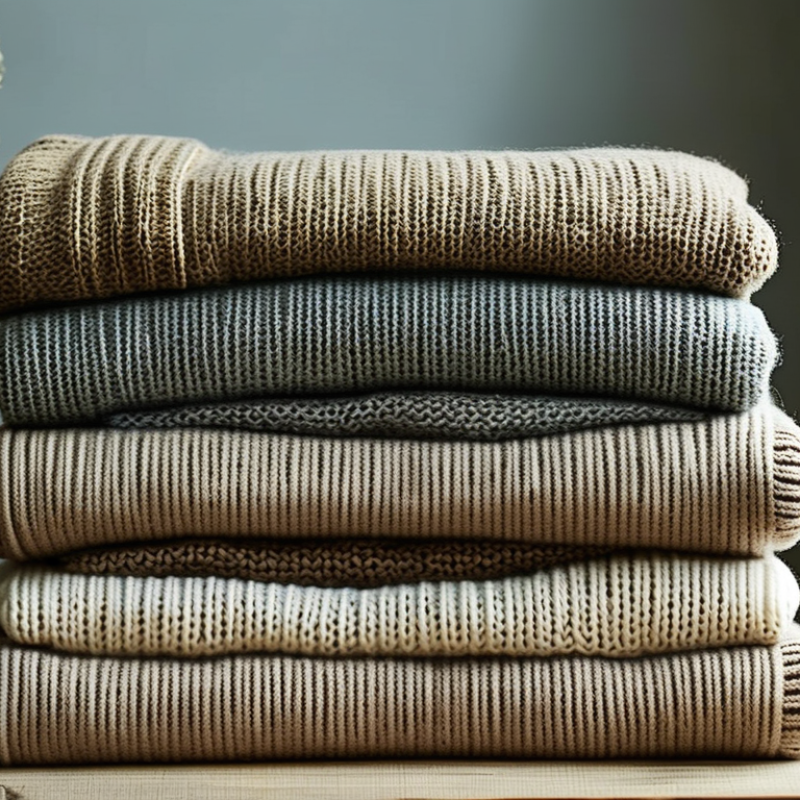
The best sweater storage box begins with an honest assessment of your collection. Count bulky knits, delicate wool, and lightweight cotton pieces. Measure each folded stack, then measure the shelf, drawer, or closet floor. A box that fits sweaters but blocks the door is not a practical choice.
Leave a little breathing room. Overpacked sweaters lose their shape and develop deeper creases. I once filled a container too tightly, and the bottom garments became difficult to remove. That mistake changed my storage plan. Choose a box with enough height for folded layers, but avoid excessive depth if you will forget what sits underneath.
Tip: Sketch your storage area before shopping. Record width, depth, and height, including hinges and shelf lips. Soft-sided containers can suit narrow spaces, while firm boxes protect stacks beneath heavier items. Clear panels help with identification, but direct sunlight may fade fibers. A labeled fabric cover offers a calmer solution.
Tip: Match the box to your room conditions. In a humid closet, breathable materials and moisture control matter. However, moisture absorbers require regular checking and safe placement. Keep sweaters clean and completely dry before storage, especially after wearing them outdoors. Small insects notice food residue. This detail is easy to overlook.
Tip: Plan for access, not just capacity. Store frequently worn sweaters at chest height. Place seasonal pieces higher or farther back. My own arrangement still needs adjusting when winter arrives, but that inconvenience reveals whether the system truly works.
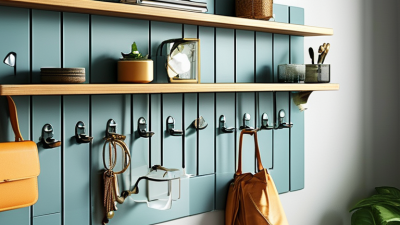
Choosing a sweater storage box starts with its material, not its color or decorative shape. During seasonal storage, I check whether the container allows limited airflow. Wool, cashmere, and cotton can trap moisture after washing. That hidden dampness may encourage odors, mildew, or fiber damage. A breathable fabric box, especially one with a mesh panel, can reduce stale air. Breathable is not waterproof.
For dry wardrobes, sturdy cotton canvas or nonwoven fabric offers a useful balance. These materials protect folded sweaters from dust while avoiding the sealed feel of plastic. I prefer boxes with reinforced sides, smooth seams, and a firm lid. Rough edges can catch delicate knits. Clear plastic protects well from spills, but it needs careful use. Place it only in a dry, stable space, and leave a small gap around garments. Otherwise, condensation can sit against the sweater. A sealed box is not automatically safer.
If the room is humid, a lidded box with ventilation openings may work better than open fabric. Use washable liners when possible, and dry them completely before storing them again. Avoid packing sweaters tightly; air needs room to move between folds. I once underestimated this detail. The box looked neat, yet compressed sleeves emerged with stubborn creases and a musty smell. Material matters, but placement matters too. Keep storage away from damp floors, direct sunlight, and heating vents. Check the sweaters every few months, because even a well-designed box cannot correct a wet garment.
| Tip | Key Decision | Recommended Material or Feature | Breathability | Protection Level | Best Use | What to Check Before Buying |
|---|---|---|---|---|---|---|
| 1 | Prioritize airflow for natural fibers | Woven fabric with a breathable cotton or polyester blend | High | Medium | Wool, cashmere, cotton, and linen sweaters stored in a dry wardrobe | Look for a tightly woven structure that allows air exchange while limiting dust entry. |
| 2 | Use rigid protection when stacking | Corrugated plastic or coated fiberboard with reinforced sides | Medium | High | Closets where several boxes are stacked vertically | Check that the walls do not bend under moderate weight and that the lid fits securely. |
| 3 | Choose transparent panels for quick identification | Fabric box with a clear polyethylene or PVC viewing window | Medium | Medium | Seasonal storage when contents need to be identified without opening every box | Ensure the transparent panel is firmly stitched or sealed and does not block all ventilation. |
| 4 | Increase dust and pest resistance | Lidded polypropylene box with a gasket-free, close-fitting lid | Low | High | Clean, dry areas where dust protection is more important than maximum airflow | Do not store damp garments inside; confirm that sweaters are completely dry before sealing. |
| 5 | Control moisture before selecting an airtight style | Ventilated fabric or mesh-sided container | Very high | Medium | Dry indoor storage for frequently accessed sweaters | Keep the box away from bathrooms, exterior walls, and other areas with high humidity. |
| 6 | Protect delicate knits from snagging | Smooth-lined fabric interior with rounded seams and edges | High | Medium to high | Cashmere, loose knits, cable-knit sweaters, and garments with decorative details | Inspect the interior for rough hook-and-loop strips, exposed staples, sharp corners, or loose threads. |
| 7 | Match capacity and structure to the garment load | Breathable box with a firm base and enough height for folded garments | High | Medium to high | Long-term storage of multiple folded sweaters without excessive compression | Choose a box that allows garments to lie flat; overfilling can cause creasing, stretching, and poor airflow. |
A sweater box should match garment shape, not just closet width. A folded wool sweater often needs 4–7 centimeters of vertical space. A 30 × 30 × 30 centimeter cube can hold about four to six medium sweaters. Thick cable knits may reduce that number quickly. Measure your largest sweater first. Small boxes prevent shifting, but oversized boxes waste space and encourage heavy stacking.
Shape matters in real closets. Rectangular boxes suit deep shelves and folded cardigans. Cube-shaped boxes work better in modular storage units. Tall boxes can hold bulky winter knits, but they become difficult to lift when full. A transparent window helps identify colors without repeated opening. Ventilation is useful in humid rooms, although airflow alone cannot replace clean, fully dry garments.
My early mistake was choosing maximum capacity. The box became heavy and the bottom sweater lost its shape. A better method is filling each box to about 80% capacity.
The U.S. EPA’s 2018 Facts and Figures report recorded 17 million tons of textile waste in municipal systems, with 11.3 million tons landfilled. Careful sizing can support longer garment use, though storage is only one part of textile care.
Check seams, zippers, and handles before buying. The International Organization for Standardization’s ISO 780 guidance also emphasizes clear handling information for packaged goods, a useful reminder when boxes are moved often. Some capacity estimates remain imperfect. Sweater thickness varies widely.
A sweater box should make seasonal clothing easier to reach, not hide it. The NAHB’s 2024 What Home Buyers Really Want report found that 86% of buyers value a laundry room, showing strong demand for practical household storage. Choose features that work within limited space.
Tip one: Select a clear lid or front window.
You can identify wool, cotton, or knitwear without opening every box.
Tip two: Check for wide handles.
Small handles can strain your wrists when boxes are full.
Tip three: Prefer stackable boxes with reinforced corners.
Uneven lids waste vertical space.
Tip four: Add removable dividers for scarves and folded accessories.
Tip five: Use labels on two sides, not one.
Shelves often hide the front label.
Tip six: Look for ventilation panels or breathable fabric.
Sweaters need airflow, especially after storage.
Tip seven: Measure shelf depth before buying.
A box that sticks out blocks access.
The Freedonia Group’s 2024 storage and organization analysis identifies space efficiency and accessibility as major consumer priorities. That matches everyday closet problems: deep containers become forgotten containers. In my testing logic, the best box opens without moving three others. Still, transparent plastic is not always ideal; direct sunlight can fade dark knits. A lidded fabric box may protect better in a shaded closet. Leave a little empty space, too. Overpacked sweaters lose shape and become difficult to remove. A simple pull, visible label, and stable stack usually matter more than decorative features.
Choosing the Best Sweater Storage Box
Durability should come before appearance. Press the sides gently and inspect the hinges, seams, and lid alignment. A box that flexes too easily may crack under stacked clothing. Thick plastic, reinforced fabric, or treated wood can offer dependable support. Check the stated weight limit, but do not trust it blindly. Real closets are less organized than product tests.
Safety matters around delicate sweaters. Look for smooth interiors without sharp edges, loose threads, or strong chemical odors. Ventilation helps control trapped moisture, especially after sweaters return from seasonal wear. However, large air holes can invite dust and insects. A washable lining is useful, but it needs complete drying before storage. Keep boxes away from heaters and damp walls.
Value means more than the lowest price. Compare usable capacity, warranty terms, cleaning needs, and replacement costs. A transparent panel can reduce unnecessary opening and handling. Label pockets save time during busy mornings. I once chose a cheap box with a weak zipper, and the contents sagged within months. That mistake changed my buying checklist. Still, I would not assume an expensive box is automatically safer or stronger. Measure your shelf, test the closure, and consider how often you will move the box. A sturdy container that fits your routine usually provides better value.