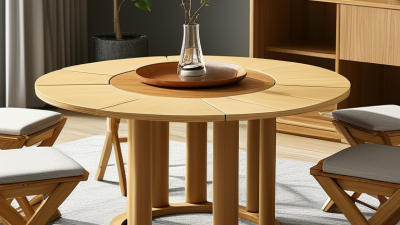
Choosing the perfect Round Epoxy Table begins with understanding how wood, resin, space, and daily use work together. A beautiful surface can still feel wrong if its diameter crowds the room or its base blocks comfortable seating. Measure the dining area first. Leave enough clearance for chairs, walking paths, and open doors. A 48-inch table often suits four people, while a 60-inch design offers more generous seating.
Cam Anderson, founder of Blacktail Studio and an experienced epoxy-table maker, explains, “The wood is the star, and the epoxy is the supporting actor.” That principle remains useful when comparing slabs, colors, and finishes. Look for stable hardwood with visible grain, controlled moisture, and a shape that feels naturally balanced. Live edges may create character, but uneven edges can reduce usable space. Clear epoxy highlights cracks and knots. Colored resin can hide flaws, though it may also conceal the wood’s strongest features.
Think beyond photographs. Run your hand across the finished surface. Check whether the resin feels level, the edges are comfortable, and the finish resists ordinary spills. Ask about curing time, UV protection, maintenance, and repair options. These details separate a lasting table from an attractive purchase that ages poorly. I would not choose the brightest resin simply because it looks dramatic online. Lighting changes everything. A sample board viewed beside your flooring may reveal an unexpected mismatch. Sometimes, a slightly imperfect grain pattern creates more warmth than a flawless design. Your room should guide the table, not the other way around.
How to Choose the Perfect Round Epoxy Table?
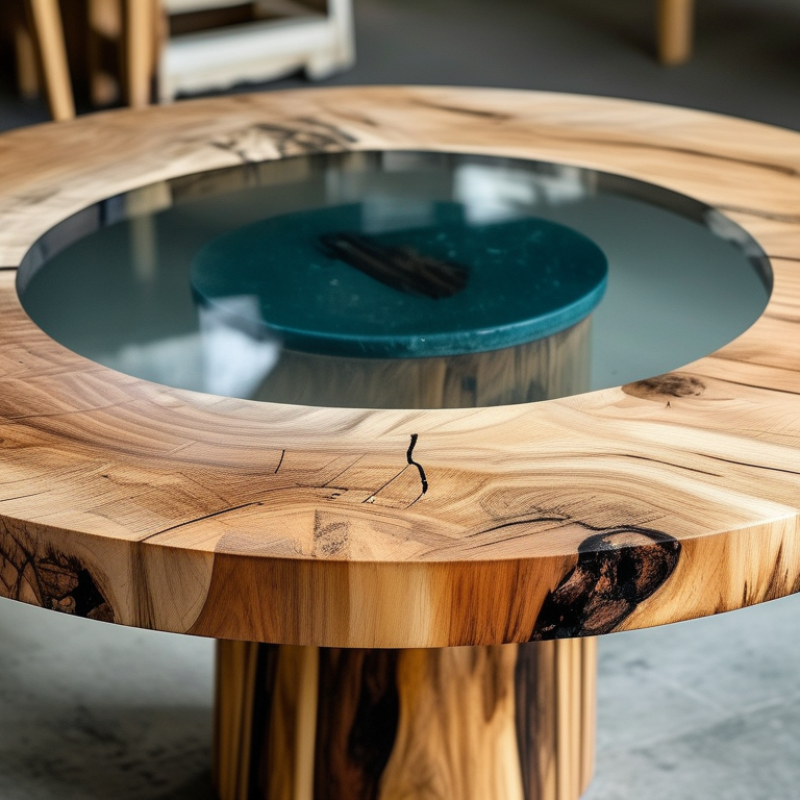
Understanding Round Epoxy Table Styles and Features starts with the room’s mood. A river-style top creates contrast with a visible resin channel between wood slabs. A solid-color design feels calmer and suits minimalist interiors. Natural-edge tables show bark lines, knots, and changing grain patterns. Transparent resin keeps the wood visually dominant. Embedded stones or leaves add character, but they can look busy in small rooms.
Measure the seating area before choosing diameter. Leave enough space for chairs and walking paths. A 120-centimeter table usually suits four people comfortably. Check the base as carefully as the tabletop. A central pedestal gives more legroom, while four legs may feel more traditional. The surface should have even curing, clean edges, and no deep bubbles. Ask about wood moisture control, resin type, and finishing methods. These details affect stability and long-term appearance.
I have found that glossy surfaces reveal fingerprints quickly. A satin finish is often easier to live with. It is not always better. Strong sunlight can gradually change some resin colors, so UV-resistant materials matter near windows. Look for clear care instructions and a stated weight capacity. I once preferred a dramatic blue design, but it overwhelmed the room. A quieter color would have worked better. Small imperfections can feel natural, yet cracks, sticky areas, or unstable joints deserve serious attention.
| Round Epoxy Table Style | Typical Visual Design | Recommended Diameter | Key Features | Best For | Important Considerations |
|---|---|---|---|---|---|
| Live-Edge River Table | Natural wood slabs separated by a flowing epoxy “river,” usually with visible organic edges. | 90–150 cm | Strong natural character, one-of-a-kind grain patterns, and a decorative focal point. | Dining rooms, reception areas, and statement interiors. | Natural edges require more cleaning attention, and the irregular shape may reduce usable seating space. |
| Full-Pour Epoxy Table | Wood, stone, or decorative elements are fully encapsulated in a clear or colored epoxy surface. | 60–120 cm | Continuous glossy surface, high visual depth, and strong protection for embedded details. | Display tables, lounge areas, and modern interiors. | Large full-pour surfaces require careful curing and may be more sensitive to heat and prolonged direct sunlight. |
| Wood-and-Epoxy Inlay Table | A wooden tabletop with epoxy filling cracks, knots, or selected decorative channels. | 80–140 cm | More wood surface than resin, balanced appearance, and a lower resin volume than a full-pour design. | Everyday dining and multipurpose living spaces. | Choose well-dried, properly stabilized wood to help reduce movement and future cracking. |
| Minimalist Clear Epoxy Table | Transparent resin highlights the wood grain while keeping the overall design light and understated. | 70–120 cm | Clean appearance, visible natural texture, and compatibility with many interior styles. | Scandinavian, contemporary, and compact spaces. | Clear resin can reveal dust, scratches, and trapped air bubbles more easily than opaque finishes. |
| Colored Resin Table | Opaque, translucent, or marbled epoxy creates a solid color field or stone-like visual effect. | 60–130 cm | Wide color flexibility, strong decorative impact, and the ability to coordinate with room accents. | Modern homes, cafés, studios, and design-focused rooms. | Request a sample or color reference because resin appearance can vary with lighting, thickness, and mixing technique. |
| Embedded-Object Table | Decorative objects such as dried leaves, shells, stones, or small artistic elements are sealed beneath resin. | 60–110 cm | Highly personalized design and a protected display surface. | Occasional tables, themed rooms, and creative workspaces. | Only dry, clean, and resin-compatible materials should be embedded to help prevent discoloration or moisture-related defects. |
| Outdoor-Suitable Epoxy Table | A sealed wood-and-resin tabletop paired with a moisture-resistant structure and protective finish. | 70–140 cm | Designed for covered patios or sheltered outdoor areas, with emphasis on moisture protection. | Covered balconies, patios, and garden seating areas. | Most epoxy and wood tables should not be left in constant direct sun, rain, or freezing conditions without suitable protection. |
Selection tip: Measure the available floor area, allow comfortable clearance around the table, and confirm the tabletop thickness, base stability, heat resistance, UV protection, and maintenance requirements before purchasing.