Choosing a round tabletop in 2026 requires more than comparing photos and advertised prices. Global buyers need dependable materials, accurate measurements, stable supply, and practical delivery options. The phrase “Round Table Top Bunnings” often points shoppers toward familiar retail styles, including timber, engineered wood, laminate, and compact outdoor surfaces. However, availability, specifications, and warranty terms can vary between markets.
This guide examines leading round table tops that suit homes, cafés, offices, and hospitality projects. It considers tabletop diameter, thickness, edge treatment, moisture resistance, surface maintenance, and compatibility with different bases. A 900-millimetre top may suit a small breakfast area, while a 1,200-millimetre design gives four diners more comfortable elbow room. Details matter. They prevent expensive mistakes.
Material evidence will guide the comparisons. Solid timber can offer natural grain and repairability, but it may respond to humidity changes. Laminated panels often provide consistent colour and easier cleaning, although damaged edges can be difficult to restore. Buyers should request current technical sheets, finish samples, packaging details, and test information before placing larger orders. Supplier experience also matters, especially when shipments cross climates and customs systems.
No single tabletop suits every buyer. A product praised in Australia may perform differently in a humid apartment or a busy restaurant elsewhere. I have found that online images can hide uneven edges, subtle colour shifts, and weak underside support. That weakness deserves attention. This review therefore balances appearance with measurable performance, supplier transparency, and realistic ownership costs. Some recommendations may still need reassessment as prices, stock levels, and product ranges change during 2026.
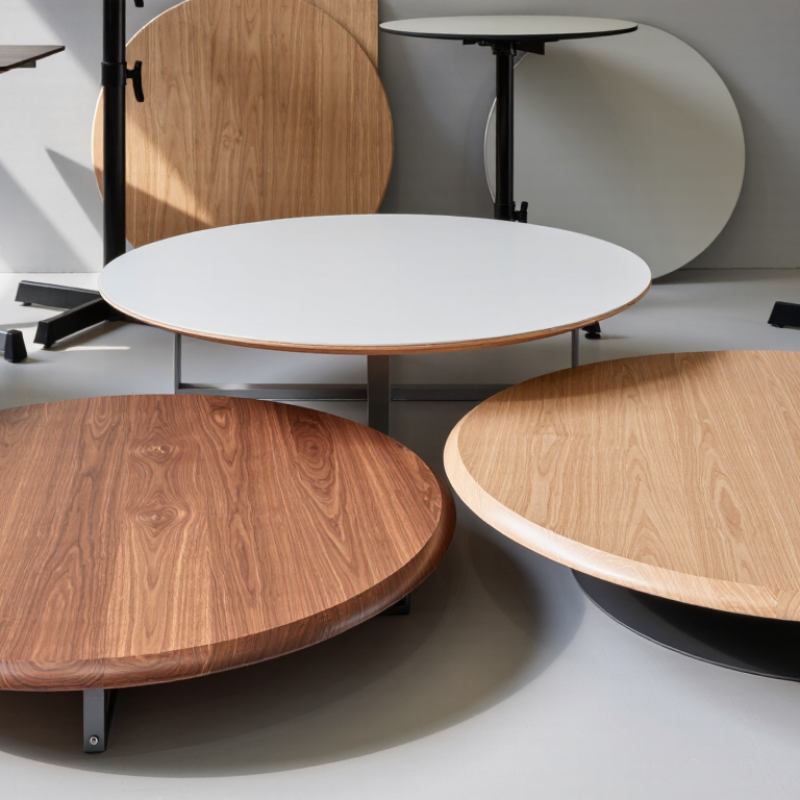
Global buyers often seek round table tops with the practical qualities found in major home improvement ranges. The best options usually include solid wood, engineered wood, compact laminate, and tempered glass. Each type creates a different balance of cost, strength, appearance, and maintenance. Solid wood offers natural grain and can be refinished after years of use. However, timber may expand in humid climates without proper sealing.
Engineered wood provides consistent dimensions and a smoother surface for commercial production. It is often lighter than solid timber, which can reduce shipping difficulties. Compact laminate resists stains, moisture, and frequent cleaning, making it useful for cafés and shared workplaces. Tempered glass creates a bright, modern look and suits smaller dining areas. It still needs careful edge protection during packing and installation.
From my sourcing experience, buyers should check diameter, thickness, edge profile, and underside support before comparing prices. A 900-millimeter top may suit four people, while a 1,200-millimeter surface allows more comfortable dining. Measure carefully. Surface color can also differ between samples and large production batches. This is an easy detail to overlook. Ask for material certificates, packaging photographs, moisture protection, and replacement terms. Suppliers with clear specifications are generally easier to assess, although paperwork alone cannot prove long-term durability. Local climate, table-base compatibility, and delivery handling should influence the final choice.
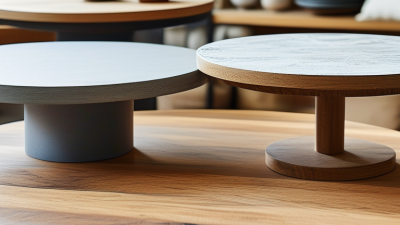
For 2026, global buyers should compare round tabletops by material, diameter, thickness, and surface performance.
Grand View Research valued the global furniture market at USD 516.66 billion in 2022.
It also projects a 5.2% compound annual growth rate through 2030.
That growth supports wider choices in solid wood, plywood, MDF, sintered stone, and tempered glass.
Solid oak and acacia provide visible grain and repairable surfaces. Engineered wood offers steadier dimensions and often lower shipping weight.
The USDA Forest Products Laboratory states that indoor wood commonly reaches 6–8% equilibrium moisture content.
Ask suppliers for moisture testing.
Diameter changes the experience.
A 900–1,000 mm top suits two to four diners.
A 1,200–1,350 mm top gives four to six people better elbow room.
For larger rooms, 1,500 mm or more creates a comfortable six-person setting.
Thickness between 25 and 40 mm usually looks substantial without becoming unnecessarily heavy.
However, oversized tops can complicate stair access and packaging.
Measure the delivery route, not only the dining area.
Finishes should match daily use.
Water-based polyurethane reduces odor and supports easier cleaning.
Hardwax oil keeps wood tactile, but it needs regular maintenance.
Powder-coated metal edges resist chipping when properly cured.
Rounded edges, pedestal bases, adjustable feet, and concealed reinforcement improve comfort and stability.
No finish is truly maintenance-free. I would not promise zero marks.
Request abrasion, heat, moisture, and edge-impact test records, preferably against recognized furniture-testing standards.
Choosing a quality round table top starts with the core material, not the surface finish. Solid timber offers natural character, but its moisture content must be stable before installation. Engineered panels can resist warping when sealed correctly. Inspect the underside, edge joints, and central support area. Small gaps may become larger after seasonal changes.
I once trusted a smooth finish too quickly. A hidden edge later absorbed water. That mistake changed my inspection routine. Check supplier test reports, load ratings, coating details, and warranty terms. Reliable documentation matters more than attractive product photos. Compare thickness, weight, scratch resistance, and heat tolerance under similar conditions. A durable top should feel rigid, with no hollow vibration when tapped.
Tips: Use a moisture meter before fitting. Wipe spills quickly. Use coasters under hot dishes. Avoid harsh solvents. Test a cleaning product on an unseen area first. For outdoor use, confirm ultraviolet resistance and drainage details. Maintenance still matters. Even a strong surface can fail when water sits around the edges. Clean regularly with a soft cloth and mild soap. Recheck screws and supports after installation. My own comparisons are not perfect, because household use varies widely. That uncertainty deserves honest attention.
| Table-Top Type | Typical Diameter Range | Core Material and Finish | Quality Indicators | Durability Profile | Maintenance Needs | Moisture and Heat Resistance | Typical Weight Level | Best Use | Key Buying Caution |
|---|---|---|---|---|---|---|---|---|---|
| Solid Hardwood | 600–1,500 mm | Oak, ash, rubberwood, acacia, or similar hardwood with oil, lacquer, or polyurethane finish. | Stable grain, kiln-dried timber, tight joints, even thickness, and low visible cracking or warping. | ★★★★★ Can last for many years when properly sealed and protected from prolonged moisture. |
Dust regularly; wipe spills promptly; renew oil or protective coating when the surface becomes dry or dull. | Good when sealed; direct heat, standing water, and rapid humidity changes may cause marks or movement. | Medium to high | Dining rooms, hospitality spaces, premium residential interiors. | Check moisture content, panel construction, edge treatment, and whether the finish is suitable for food-contact areas. |
| Solid Acacia or Other Outdoor Hardwood | 600–1,500 mm | Dense hardwood with outdoor oil, penetrating stain, or weather-resistant coating. | Uniform board spacing, sealed end grain, corrosion-resistant fixings, and drainage-friendly construction. | ★★★★☆ Suitable for outdoor use, but appearance and service life depend on climate and coating care. |
Clean with mild soap; dry thoroughly; re-oil or reseal periodically; use a cover during long periods of non-use. | Good to very good when maintained; prolonged rain, frost, salt air, and strong ultraviolet exposure accelerate ageing. | Medium to high | Patios, balconies, gardens, cafés, and covered outdoor dining areas. | Confirm that the timber is designed for exterior conditions and inspect for movement around screws and joints. |
| Compact Laminate | 600–1,200 mm | High-density resin-impregnated paper layers pressed into a solid panel with a decorative surface. | Consistent thickness, sealed edges, scratch-resistant surface, and certified low-emission or suitable interior-grade construction. | ★★★★☆ Resists everyday abrasion, stains, and moisture better than many standard wood-based panels. |
Use a soft cloth and neutral cleaner; avoid abrasive pads, harsh solvents, and cutting directly on the surface. | Very good against splashes and moderate heat; hot cookware and prolonged high heat can damage the surface. | Medium | Busy dining areas, cafés, offices, retail environments, and family homes. | Check the edge profile, underside protection, and maximum supported span before selecting a thin panel. |
| High-Pressure Laminate on MDF or Particleboard | 600–1,500 mm | Decorative laminate bonded to a wood-based core, usually with sealed or edged perimeter surfaces. | Flat substrate, strong bonding, sealed edges, adequate density, and no swelling around cut-outs or fastener points. | ★★★☆☆ Good indoor performance when kept dry; exposed core material can swell if water enters. |
Wipe spills quickly; use coasters and placemats; do not soak the edges or underside. | Moderate; the laminate face resists moisture, but the core is vulnerable at damaged or unsealed edges. | Low to medium | Cost-conscious indoor dining tables, temporary layouts, and light commercial areas. | Ask how the edges are sealed and avoid products with exposed core at screw holes, joints, or cut edges. |
| Engineered Stone or Quartz Composite | 600–1,400 mm | Mineral aggregate combined with resin and finished with a polished, honed, or textured surface. | Uniform slab thickness, well-finished underside, stable support structure, and professionally reinforced mounting points. | ★★★★☆ Highly resistant to stains and everyday wear, but edges and unsupported spans can be vulnerable to impact. |
Clean with mild detergent; avoid abrasive cleaners, strong chemicals, and dragging heavy objects across the surface. | Good against moisture; hot cookware and sudden temperature changes may discolor or damage some resin systems. | High | Premium indoor dining, reception areas, restaurants, and contemporary interiors. | Confirm load-bearing requirements, edge reinforcement, installation access, and the manufacturer’s heat limits. |
| Ceramic or Porcelain Slab | 600–1,400 mm | Fired mineral-based slab with a printed, matte, polished, or textured finish. | Consistent color, accurate calibration, properly finished edges, and a rigid substrate that supports the whole panel. | ★★★★☆ Excellent resistance to stains, ultraviolet exposure, and scratching; corners can chip under sharp impact. |
Clean with water and a pH-neutral cleaner; avoid dropping heavy objects and abrasive tools on polished finishes. | Very good; generally handles moisture and heat well, although thermal shock and impact remain concerns. | Medium to high | Indoor and sheltered outdoor dining, hospitality, and high-use contemporary spaces. | Inspect corners carefully and ensure the base provides continuous support rather than relying on a few mounting points. |
| Tempered Glass | 600–1,400 mm | Heat-treated safety glass, commonly clear, tinted, frosted, or ceramic-printed. | Polished edges, consistent thickness, certified safety treatment, and compatible protective fittings. | ★★★☆☆ Resists stains and moisture well, but can be scratched or damaged by concentrated impact. |
Clean with glass cleaner or diluted mild detergent; remove grit before wiping to reduce scratching. | Very good against water and moderate heat; avoid sudden temperature changes and direct contact with very hot items. | Medium | Modern interiors, compact dining areas, cafés, and visually light furniture designs. | Check for edge chips, safe handling procedures, minimum thickness, and the stability of the supporting frame. |
| Powder-Coated Steel | 600–1,500 mm | Steel panel or steel frame with baked powder coating in a smooth, textured, or matte finish. | Even coating, protected welds, drainage points for outdoor models, and corrosion-resistant fasteners. | ★★★★☆ Strong and impact-resistant; scratches or coating failures can expose steel to corrosion. |
Wash with mild soap; dry after cleaning; repair chips promptly and inspect joints in coastal or humid locations. | Good when coating is intact; salt, standing water, and damaged paint increase corrosion risk. | Medium to high | Outdoor dining, commercial areas, workshops, and industrial-style interiors. | Confirm the coating system, steel grade, drainage design, and suitability for the intended climate. |
| Aluminium | 600–1,500 mm | Aluminium sheet, cast, or slat construction with powder coating, anodizing, or brushed finish. | Rigid frame, smooth welds, secure fasteners, stable underside bracing, and consistent coating coverage. | ★★★★☆ Lightweight and naturally corrosion-resistant, though thin sections may dent under heavy impact. |
Rinse dirt and salt away; use mild detergent; avoid chlorine-based cleaners and abrasive tools. | Very good for outdoor moisture and humid climates; dark finishes may become hot in direct sunlight. | Low to medium | Balconies, cafés, poolside areas, portable furniture, and coastal locations. | Check resistance to flexing, galvanic corrosion where different metals meet, and wind stability for outdoor use. |
Global buyers should evaluate round table tops through material evidence, not catalog photographs. In practical sourcing work, I check moisture content, panel thickness, edge stability, and finish consistency. These details affect returns more than attractive showroom images. The International Trade Centre’s trade data shows that furniture supply chains remain highly dependent on cross-border manufacturing. Therefore, buyers should request recent inspection records, packaging tests, and production samples before placing volume orders.
Pricing needs a complete landed-cost model. Include timber or engineered-board prices, machining, coating, cartons, inspection, duties, inland delivery, and insurance. The World Bank’s Commodity Markets Outlook shows that raw-material prices can shift sharply with energy and construction demand. A low factory quotation may become expensive after freight and currency changes. It happens often. Buyers should compare at least three quotations using identical specifications. Otherwise, the cheapest offer may simply exclude critical processes.
Shipping plans require practical detail. UNCTAD’s Review of Maritime Transport reports that maritime transport carries over 80% of global merchandise trade by volume. Port congestion, container availability, and route disruptions can still extend delivery windows. I recommend confirming stack limits, pallet dimensions, humidity protection, and replacement procedures. My own early cost models underestimated inner-carton space. That mistake increased freight costs. Buyers should also allow buffer time, because perfect forecasts rarely survive international logistics.
Choosing the Best Round Table Top for Different Spaces and Uses
A round table top should match the room, user count, and daily pressure. A 700–800 mm top suits two people in a compact café corner. For four diners, 900–1,000 mm usually gives better elbow space. Larger homes may need 1,200 mm or more, but check walking clearance carefully. A practical target is 900 mm between the table edge and nearby walls.
Material changes performance. Solid timber offers warmth, repairability, and visible grain. Laminated board controls cost and weight, but exposed edges need proper sealing. Compact surfaces resist stains and frequent cleaning. The 2024 Circularity Gap Report found that only 7.2% of global material use was circular. Therefore, buyers should ask about recycled content, repair options, and end-of-life recovery.
Commercial spaces need stable bases and impact-resistant edges. Homes may prioritize appearance and easy assembly. In humid regions, moisture-resistant cores matter more than a fashionable finish. Grand View Research estimated the global furniture market at about USD 516.66 billion in 2023, with continued growth through 2030. That scale increases choice, but it also encourages rushed specification. A recurring mistake is selecting diameter alone. I have seen attractive tops fail because the base was too narrow, or because chairs could not slide underneath. Test the complete set before ordering large quantities.